Laundry rooms pose a significant health and fire risk if ventilation extract ductwork is not regularly maintained and cleaned. Darren Ling, a Director at System Hygienics explains.
A laundry room with dirty ventilation ductwork poses a serious risk to the health and safety of a building’s occupants.
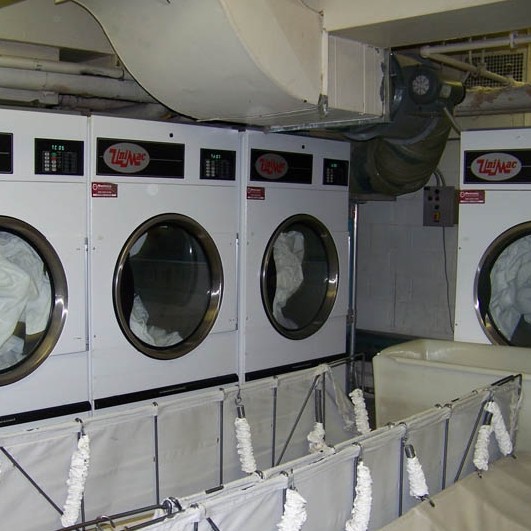
The first threat is to the system itself as failing to maintain a laundry room’s ventilation extract ductwork puts excess strain on the extractor fan, shortening its life and forcing it to use more power. These extracts become heavily contaminated by the fluff and lint from the bedding and towels being washed. This blockage reduces the efficiency of the ventilation system preventing airflow, leading to an increase in temperature and causing an uncomfortable and potentially dangerous working environment.
However, the risk to health and the business goes deeper. Dirty extract ductwork can cause respiratory irritation, exposing the building’s occupants to fumes such as chlorine, hypochlorite, ammonia and sulphur dioxide.
In addition, this highly flammable debris building up poses a very real fire hazard particularly where some of the old fashioned dryers have naked pilot lights at the rear of the machines.
Laundry extract ductwork should be cleaned at least annually but in some cases where the use is very heavy, more frequent cleaning should be considered. The Central Park Hotel in London has been using our services twice a year for a number of years to ensure they meet their legal obligations and guarantee as much as possible the safety of their staff and guests.
The laundry room at the hotel is in the basement so regular cleaning of the extract ductwork is paramount to avoid the very real risks to the building and its dwellers. Our Jetvent powervac system provides optimal cleaning with minimum disruption, and the benefits to hotels, leisure and sports facilities are threefold; mechanical efficiency, safety and fire prevention.
For those responsible for maintaining heating and ventilation systems in buildings the guidelines are clear. The Health and Safety at Work Act 1974 places a duty of care on all employers to "provide and maintain a working environment that is, so far as is reasonably practicable, safe and without risk to health".
Furthermore, The Regulatory Reform (Fire Safety) Order 2005 places a duty of care on the building owner to take such general fire precautions and states that systems designed to control fire risk – including ventilation ductwork – should be maintained in an efficient state, in efficient working order and in good repair.