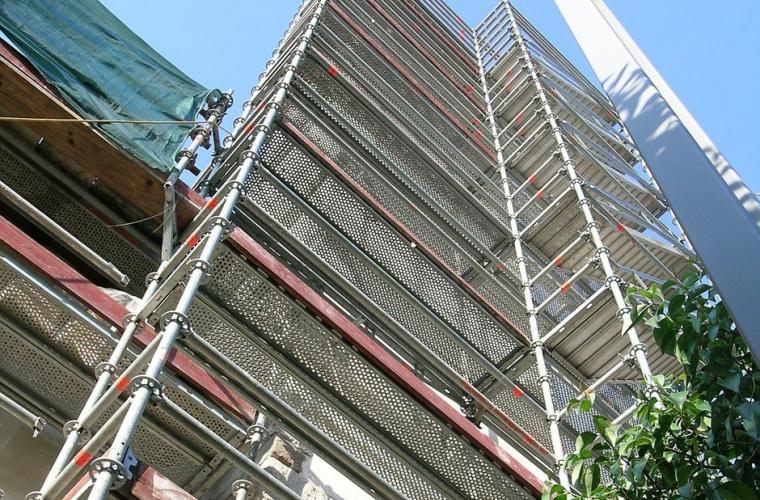
Leaseholders will for the first time be legally protected from unfair bills to make their homes safe as measures in the Building Safety Act 2022 comes into force.
Those responsible for historical safety defects, and those who own buildings, will instead be required to fund essential repairs.
Some developers are already stepping up and doing the right thing, 45 of the UK’s biggest homebuilders have agreed to fix life-critical fire-safety defects on all buildings 11 metres+ that they have played a role in developing or refurbishing in the last 30 years.
Stronger measures in the act include new powers for the Secretary of State to restrict irresponsible developers’ ability to build new homes, an extension of the Building Safety levy worth an estimated £3 billion and improving building owners’ rights to launch legal action against developers.
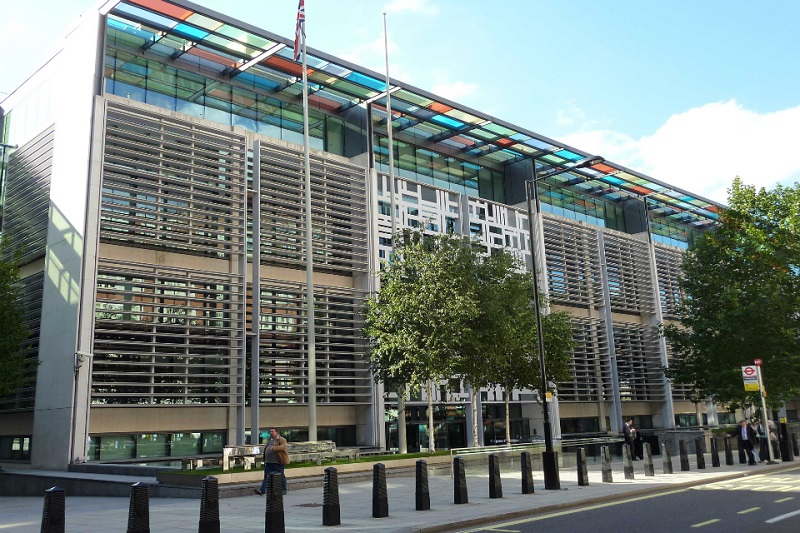
Levelling Up Secretary Michael Gove said it marks a major turning point for building safety in this country, as we introduce a tough new regime to make homes safe and help rid the sector of bad practice once and for all.
“Hundreds of thousands of innocent leaseholders now have the legal protection they rightly deserve, freeing them from a financial burden they should never have faced,” he explained.
“I’m pleased that most of the largest developers have agreed to play their part in solving this.
“But there is more to do – we are focusing intensively on work with lenders to unlock the mortgage market and empower leaseholders to take their next step on the property ladder, and we will remain vigilant if anyone fails to act on the pledges they have made.”
To mark this important development, the Secretary of State has written to freeholders and made clear that the days of leaseholders being faced with large invoices for building safety repairs are now over. The letter reminds freeholders that qualifying leaseholders now have protections in law from costs and that they will be acting illegally if they attempt to circumvent them.
The letter also reminds them of their new responsibilities as part of the Act, including ensuring buildings have updated fire risk assessments that reflect the latest guidance on proportionality.
Where freeholders or owners of buildings over 18m with cladding related issues do not have clear plans to address these issues, they must have full assessments ready to submit to the Building Safety Fund, which will reopen for new applications shortly, helping to ensure applications can be handled in good time, reducing the disruption and stress to leaseholders.
They must inform and consult leaseholders throughout. If they do not do these things, responsible authorities now have the legal powers to compel them to remediate their buildings, and to ensure that they meet the costs.
Alongside this, the government has signed contracts for a new Professional Insurance Indemnity Scheme. This will help assessors conduct EWS1 assessments to identify whether buildings have fire safety risks, ensuring professionals can make sensible decisions and restoring common sense and proportionality to the market.
Other key elements of the new bill include moves to make the industry pay for repairs and remediation work, as well as improving building safety standards.
Cllr Darren Rodwell, Local Government Association housing spokesperson, said: “The LGA has long argued that blameless leaseholders should not have to pay for fire safety defects resulting from 20 years of regulatory failure and industry malpractice. We are pleased the Government has listened, although we remain concerned that the measures announced today will be insufficient to protect all leaseholders who own the freeholds of their blocks.
“Government is right to recognise that the regulatory system was inadequate and operating poorly before the Grenfell Tower fire. It now needs to take responsibility for that failure by ensuring social housing tenants have the same protection that it has offered homeowners.
“If councils and housing associations are not protected from the cost of fixing dangerous cladding and other fire safety defects those costs will inevitably fall on rent-payers. The Government must also exempt social housing from the forthcoming levy.”