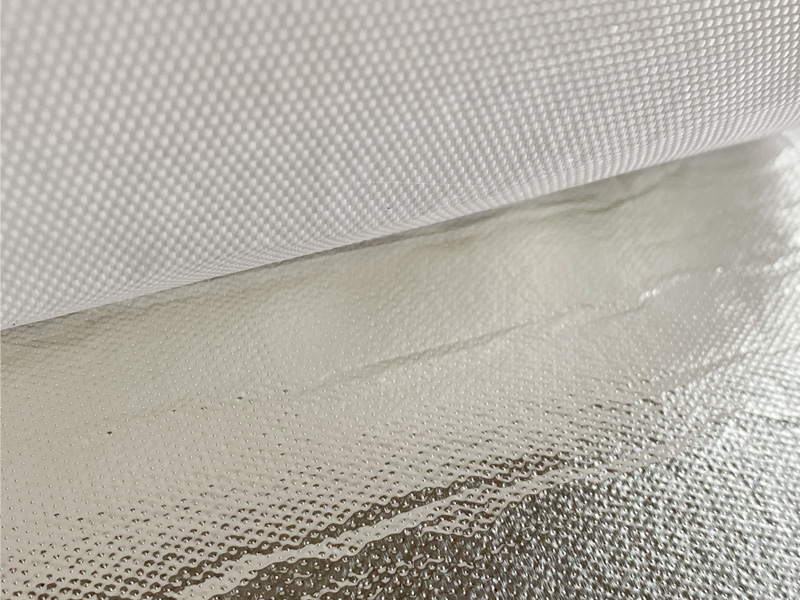
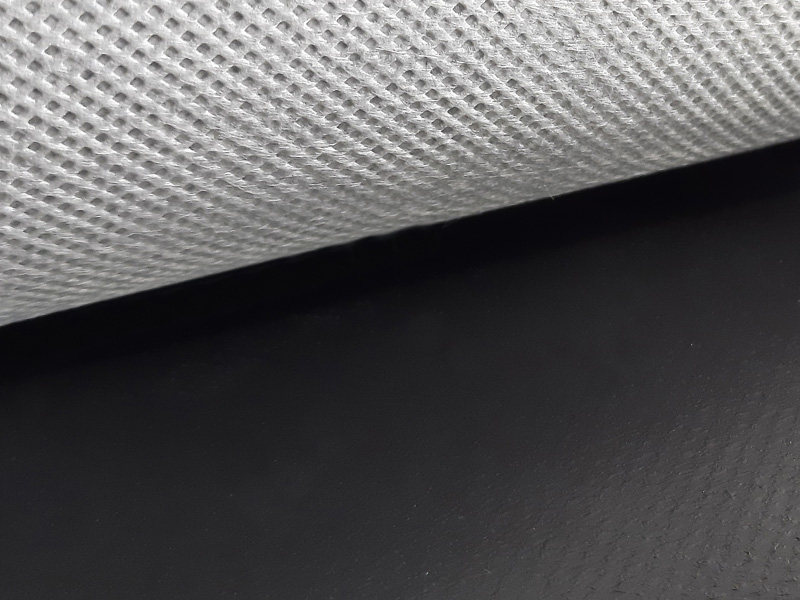
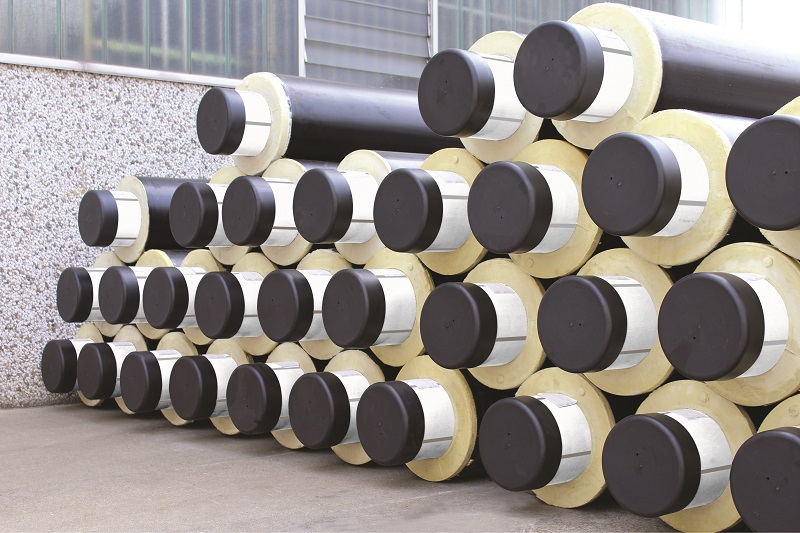
Polymer pipework manufacturer REHAU has reduced heat losses on its PP-R district heating pipe.
The PP-R pipework’s lambda value has recently been improved to 0.023W/mK – a significant increase over the previous polyurethane foam used.
This market-leading new figure puts it at the forefront of large diameter district heating pipe performance for PP-R pipes.
Over an example length of 250m, the newly-improved pipework achieves an impressive 24% reduction in heat losses at 70/40°C flow and return temperatures compared to the previous PP-R generation. REHAU believes that this increase in thermal efficiency makes the product ideally suited to low-carbon heat networks, which continue to enjoy growing uptake due to schemes such as the £288 million Green Heat Network Fund.
Steve Richmond, Head of Marketing and Technical at REHAU Building Solutions, said: “Within the market, we have definitely observed a growing trend towards fourth generation district heating schemes using heat pumps and waste heat. This is a welcome development, as transitioning to lower temperature systems will be key to decarbonising the nation’s heating and achieving wider net zero targets.
“When installing fourth generation networks, opting for polymer pipework is a sensible option. Solutions with a higher rated thermal efficiency will accumulate far more carbon savings over the network’s lifespan, so it is recommended to specify them where possible.”
Combining a large diameter PP-R spine with the highly-flexible 0.0199W/mK RAUTHERMEX PE-Xa solution will help improve the efficiency of a network versus a fully steel system.
Moreover, polymer solutions also hold a number of benefits over steel as the spine of a heat network. Polymer is more resistant to corrosion, and does not need to incorporate expansion loops, making it far easier to design and install.
Recent research from REHAU also indicates that due to polymer’s lightweight nature, the impact of transporting PE-Xa pipework to site is up to 67% lower than steel, leading to lower embodied emissions for each project undertaken.
Steve concluded: “District heating networks will no doubt prove a key asset in the nation’s transition to net zero, further demonstrated by recent government funding for the technology.
“The efficiency of such systems will determine the scale of the savings here, so installing more fourth generation networks and specifying highly insulated pipework will in turn prove vital to this cause.”