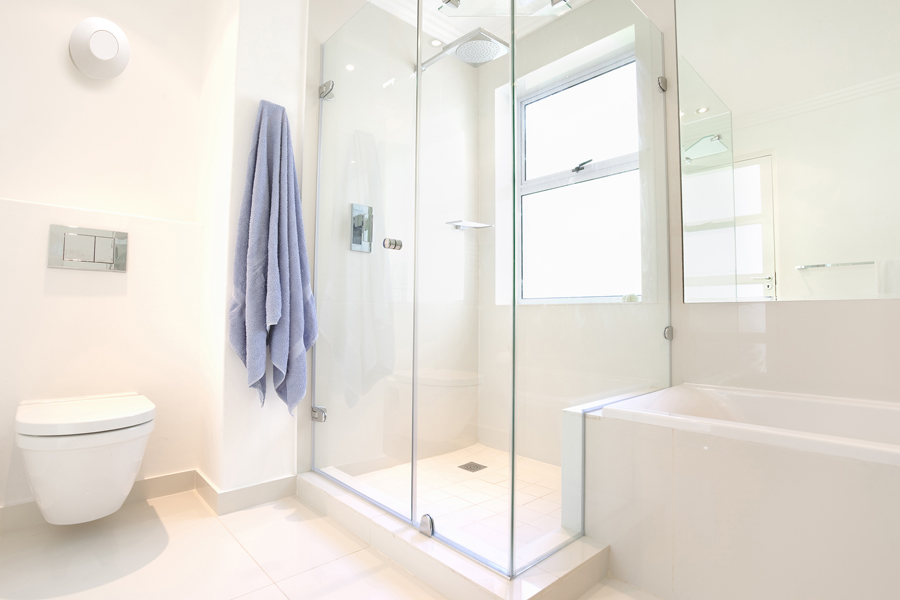
British homeowners are at an increased risk of damp and mould in their homes this year. Data by Zehnder Group UK shows that almost half (45%) of Brits already experience mould outbreaks and as UK winters trend towards wetter and milder climates, experts are warning that issues of mould and damp will only get worse without modern ventilation solutions to protect homes and occupants.
“This mix of higher moisture and milder temperatures creates ideal conditions for mould, which typically takes hold once humidity levels exceed 70–80%. With windows shut to keep heat in, and warmer air able to hold more moisture than cold air, homes will be left more exposed than in a typical cold, dry winter,” said indoor air quality expert at Zehnder Group UK, Neil Atkins.
Feeling cosy and staying indoors more throughout the winter months is a natural reaction to the cold, wet weather, but by doing so, we could be creating a ‘sick’ environment in our homes and affecting our health.
With Brits hunkering down they need to be aware that mild weather, coupled with basic everyday activity - like making hot drinks, cooking, bathing and drying clothes inside - produces more humidity in the air leading to the risk of condensation, which can cause harmful damp and mould.
“The average family already produces 24 pints of water vapour a day through routine activity but many think opening windows and turning on extract fans, which would help extract the moisture, will make their homes too cold, so don’t,” Atkins continues. “Many people complain of feeling run down in the winter with tickly coughs, stuffy noses and dry or itchy skin and these are all symptoms of a bad indoor climate, not just the common winter cold. Left unchecked damp and mould can do serious harm.”
Tackling this problem requires modern ventilation solutions that respond intelligently to changing humidity conditions without negatively impacting occupant comfort and adding shocking energy costs. Zehnder's Unity CV2.1 range is designed specifically for this purpose.
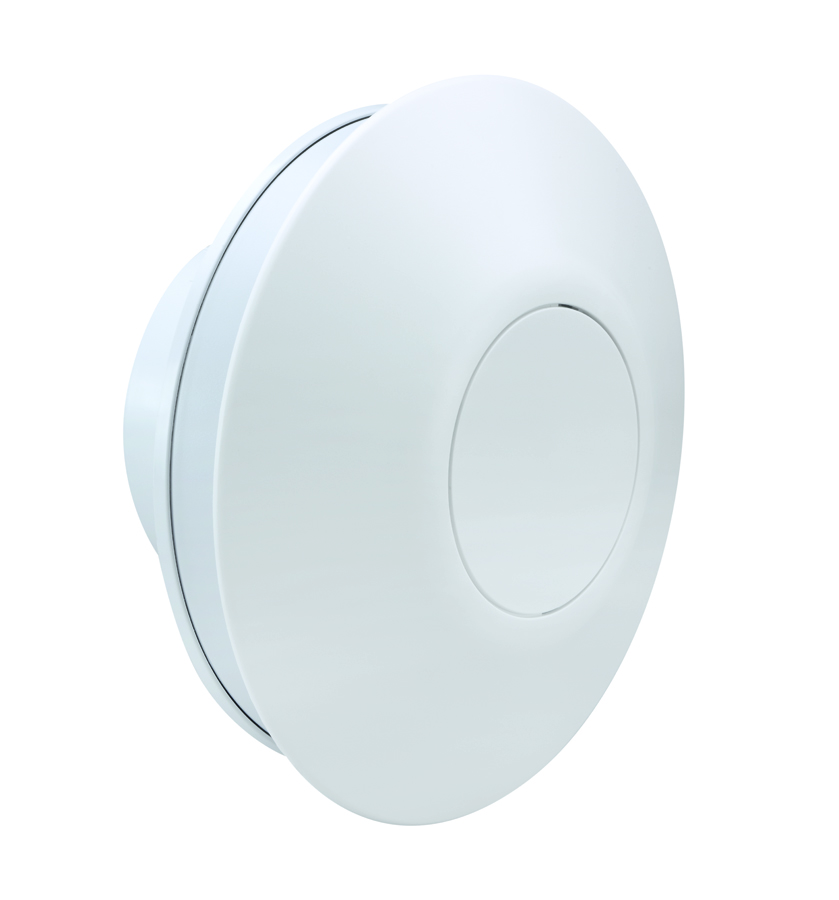
Rather than running only when switched on like most fans, the Unity CV2.1 operates continuously at a low "trickle" rate, then automatically boosts extraction the moment its humidity sensor detects rising moisture. This removes the burden on the occupant, as they don’t need to remember to switch a fan on or open windows and lose precious heat. And to run it, 24-7, 365 days with two hours of humidity boost per day, costs just £1.65 per year.
The Unity CV2.1HT's memory function retains settings after extended inactivity, and 100% variable airflow lets it be tuned precisely to the specific needs of a property. For social housing providers, the Unity CV2.1APP adds Near Field Communication (NFC)-enabled data logging, giving landlords visibility of the fan's operational history which includes inactivity, meaning faulty units can be identified before they become a problem for occupants.
The Zehnder Unity CV2.1 range also features a quick release adaptor, allowing the internal components to be replaced quickly and easily without needing to swap out the entire unit, saving on cost, time and labour. Critically, this replacement doesn't require an electrician, as the base stays wired in place while the fan itself detaches for servicing, meaning routine maintenance can be carried out safely by an in-house maintenance team rather than a specialist contractor.
The same feature also makes cleaning and servicing far simpler, since the fan can be removed from its base without disconnecting the electrical supply. For social housing providers managing large volumes of properties, this translates into lower ongoing maintenance costs and faster turnarounds.
“Mould and damp are no longer occasional issues confined to a handful of poorly maintained properties. It is menace and reality for almost half of UK households, and an issue that is only going to be made worse by the increase in milder, wetter winters in Britain coming this year,” adds Atkins.
“Still, homes across the country are relying on extractor fans that were only ever designed to run in short bursts with no real understanding of what's actually happening in the room. As these units age, they fall further behind the conditions they are supposed to manage.”
Recent Met Office statistics suggest that winters are getting milder and wetter, with winter 2025/26 being the EIGHTH wettest on record, stretching back to 1836, and mean temperatures 0.85°C above the average. Six out of the ten wettest winter half-years (the period from October to March) have also been since the year 2000. The Government's own English Housing Survey confirms the trend, recording statistically significant increases in damp in both owner-occupied and social rented homes since 2022.
With almost half of the UK already affected by damp, mould or cold, and the weather trend moving the wrong way, Zehnder’s Unity CV2.1 range offers landlords, housing providers and specifiers an alternative to ageing or intermittently run fans that are simply not up to the task of protecting occupant health and wellbeing.
For more information visit: www.zehnder.co.uk/en/indoor-ventilation/product-showcase/zehnder-unity-cv21