Photovoltaics represent a crucial step in the drive towards net zero and a more sustainable future. Adding PV to roofs not only helps to cut carbon, it opens up opportunities to increase energy security and reduce energy bills. However, if it is not up to standard it also adds to the risk of issues such as fire, wind damage and water ingress. So, as the volume of installations increases, under the Future Buildings Standard (FBS) we need to look towards how to regulate and ensure a level of quality control in this rapidly expanding market.
What is the opportunity for PV on commercial roofs?
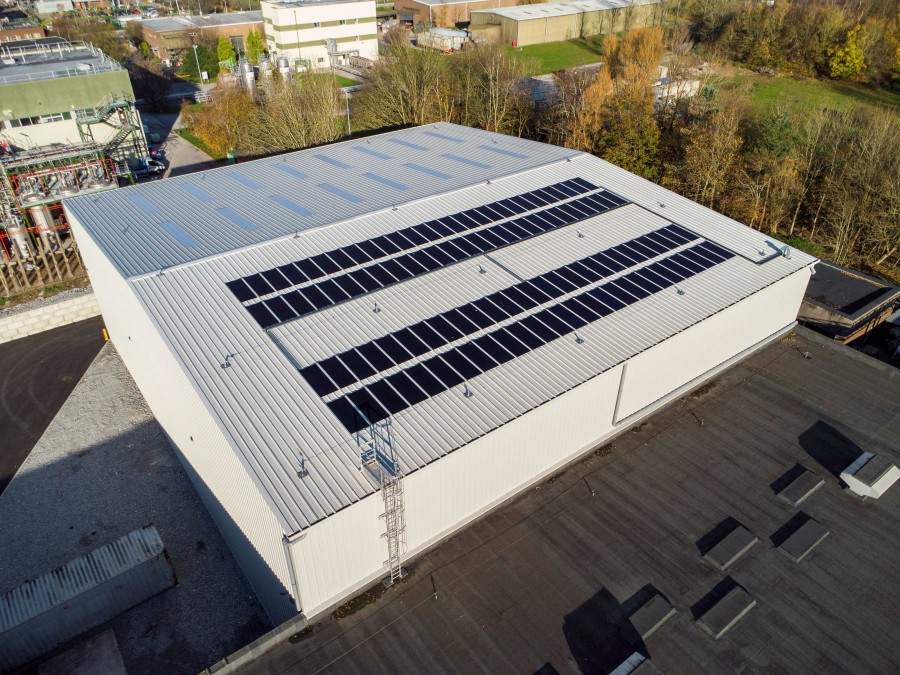
Research[1] from the UK Warehousing Association (UKWA) found that the top 20% of the UK’s largest warehouses represents 75 million square metres of roof space with the potential to support rooftop solar capacity. This potential will form an important aspect of the UK Government’s drive to achieve 70GW solar capacity by 2030, and the part that commercial buildings are expected to play in this ambitious target is clearly set out in the Government’s 2025 Solar Roadmap[2], which highlights the FBS as a driver to achieve this. Published in March 2026, and coming into force from 24 March 2027, the FBS requires solar panel coverage equivalent to 40% of the ground floor area, representing a huge volume of photovoltaics that could be appearing on our warehouse roofs within the next couple of years.
So, what kind of assurances can specifiers, building owners and installers look for to ensure that both roof and PV array will be resilient in the face of fire or extreme weather events?
The role of FM Approvals
Leading provider of independent third-party testing and certification, FM Approvals, has developed FM 4478 for rigid PV modules that are installed with a roof assembly – a standard that examines the performance of roof top assemblies with PV from a property loss prevention perspective. This rigorous standard assesses fire performance, wind uplift, hail damage, seismic performance requirements and gravity load resistance. Using a standard such as FM 4478 provides specifiers, building owners and installers with a clear benchmark of performance for all the component parts and how they perform as a roof system.

Tested solutions
FM Approved insulated panel systems offer a robust, thermally efficient and versatile method of construction for commercial buildings. As a roofing product they also present a highly suitable platform for the installation of photovoltaics. This allows specifiers to create well insulated and resilient buildings that have the capacity to generate renewable energy.
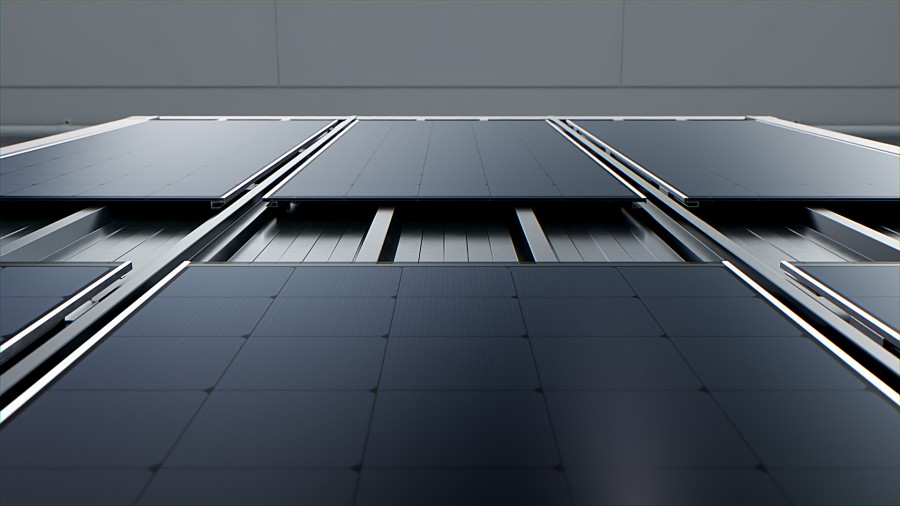
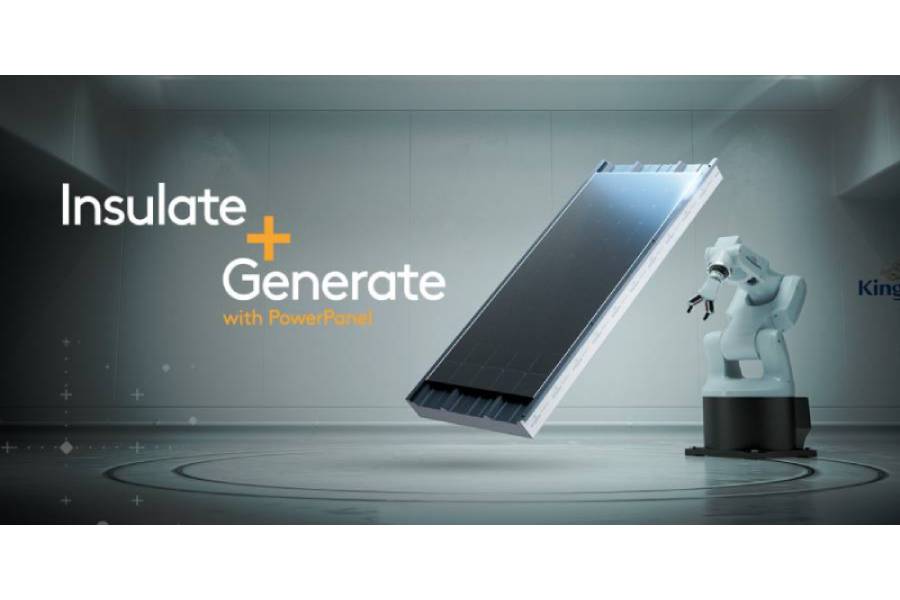
Kingspan PowerPanel is one of the first systems globally to achieve FM 4478 Approval. It combines the benefits of QuadCore insulated panel systems with factory installed PV using state of the art robotics, allowing a high level of quality control. As the panels arrive on site with the PV already in situ and checked, this greatly reduces the risk of installation issues on site as well as speeding up the entire roof and PV installation process.
To find out more, contact: kingspansolar@kingspan.com
Watch the PowerPanel test video here:
https://www.youtube.com/watch?v=G1rTPLQOB0A
[1] https://www.ukwa.org.uk/wp-content/uploads/2022/09/Investment-Case-for-Rootop-Solar-Power-in-Warehousing-August-2022.pdf
[2] Solar Roadmap