Construction material prices for All Work rose by 2.1% in the 12 months to February 2026, according to the latest provisional data published by DBT.
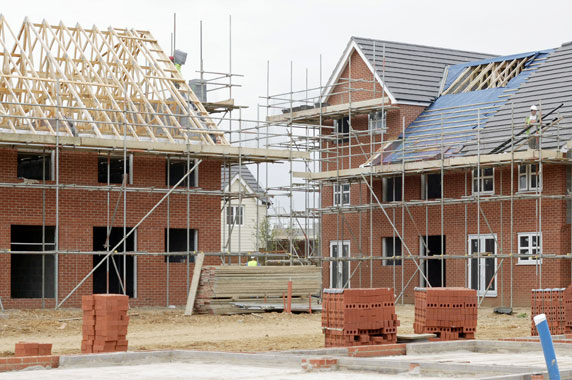
New Housing recorded a 3.4% increase, Other New Work rose by 1.1%, and Repair and Maintenance increased by 2.7% when comparing February 2026 with February 2025.
DBT’s CMPIs are compiled using a combination of resource cost indices produced and published by BCIS. These are based on BCIS Price Adjustment Formulae Indices (PAFI).
Dr David Crosthwaite, chief economist at BCIS, said: “Materials prices remain elevated and in light of recent anecdotal evidence, prices may have already shifted to a higher base as inflationary pressures linked to Middle East tensions take effect. Next month’s data should hopefully provide a clearer picture.
“At present, ceasefire negotiations, the success of which remain tentative, and the prospect of near-term conflict resolution represent the best-case scenario for construction. However, even under these conditions, shipping routes will take time to normalise, as will the recovery of damaged or destroyed energy infrastructure. Both factors are likely to sustain elevated materials costs and by extension tender prices, with movement in both also dependant on demand.”
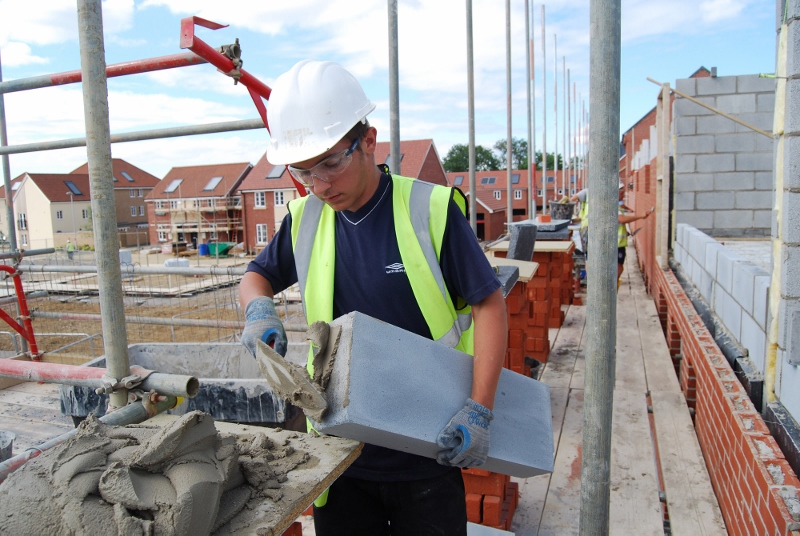
DBT data also show that prices for imported sawn or planed wood saw the greatest inflation in the 12 months to February 2026, up by 7.6%. This was followed by a 7.3% rise in prices for gravel, sand, clays and kaolin (including the Aggregate Levy).
Prices for concrete reinforcing bars (steel) again saw the steepest annual decrease of all resources measured with a 7.2% fall.
Brick deliveries down as concrete block stocks reach two-year high
Provisional data published by DBT show brick deliveries (seasonally adjusted) in Great Britain decreased by 18.3% in the 12 months to February 2026. Deliveries in February were also down by 8.3% on January.
Compared with pre-pandemic February 2019, seasonally adjusted brick deliveries in February 2026 were 34.5% lower.
Stocks of all types of bricks at the end of February 2026 stood at 553.8 million, up by 21.7% on the end of February 2025 (454.9 million) and by 45.9% on the level in pre-pandemic February 2019 (379.5 million).
DBT’s report also showed concrete block deliveries (seasonally adjusted) in Great Britain were down by 17.4% in the year to February 2026 but increased by 2.7% on a monthly basis. Compared with February 2019, deliveries were down by 27.7%.
Total stocks of concrete blocks stood at 9.6 million square metres’ worth at the end of February, an increase of 42.8% on February 2025. This was the highest monthly level recorded since February 2024.
Elsewhere, DBT data going back to 2013 show a longer-term decline in annual ready-mixed concrete deliveries and sand and gravel sales (both seasonally adjusted).
In 2025, 11 million cubic metres of ready-mixed concrete were delivered in Great Britain – the lowest level in the published data.
Compared with 2024, this was a 10.1% annual decrease and a decline of almost one-third on deliveries in pre-pandemic 2019 and 2015.
Quarterly deliveries of ready-mixed concrete in 4Q2025 were the lowest on record, 2Q2020 excepted.
Economic data from the Mineral Productions Association (MPA) (3) indicate that demand for core construction materials is weak, with demand for key materials including concrete, aggregates and asphalt declining for the fourth consecutive year in 2025.
MPA insights also highlighted a record 27% fall in annual materials sales volumes in the London market last year, including a notable downturn in demand for ready-mixed concrete.
“Data from both the Mineral Products Association (MPA) and the Department for Business and Trade (DBT) highlight an alarming, long-term decline in demand for key construction materials,” said BCIS chief economist Dr David Crosthwaite.
“Root causes include persistent constraints on investment in new construction, viability challenges and a lack of momentum in projects where clients and funders have committed to starting on site.
“Many suppliers and contractors had been hoping for economic and regulatory pressures to ease in the new year. While some progress has been made, particularly by the Building Safety Regulator, the longer-term disruption caused by geopolitical tensions, input cost inflation and client risk aversion presents significant challenges, further weighing on an already weak demand base.
“It is crucial, in this period of renewed instability, that the government does everything in its power to support and stimulate construction demand. At the same time, clients and contractors must work more collaboratively to ensure cost transparency, set realistic project and programme timelines and maintain robust financial due diligence.”