The much-anticipated new rules implementing the Future Homes Standard, which includes measures to ensure the majority of new homes are built cheaper to run, with solar panels and clean heating as standard, has received industry-wide support.
The Future Homes Standard Essentials set out seven critical actions to help homebuilders and their advisors to de-risk the delivery of more sustainable homes that are comfortable, healthy, low-energy, zero carbon ready and aligned with the future energy system.
Housing Secretary Steve Reed said: “Building 1.5 million new homes also means building high-quality homes that are cheaper to run and warmer to live in. As we make the switch to clean, homegrown energy, today’s standard is what the future of housing can and should look like.”
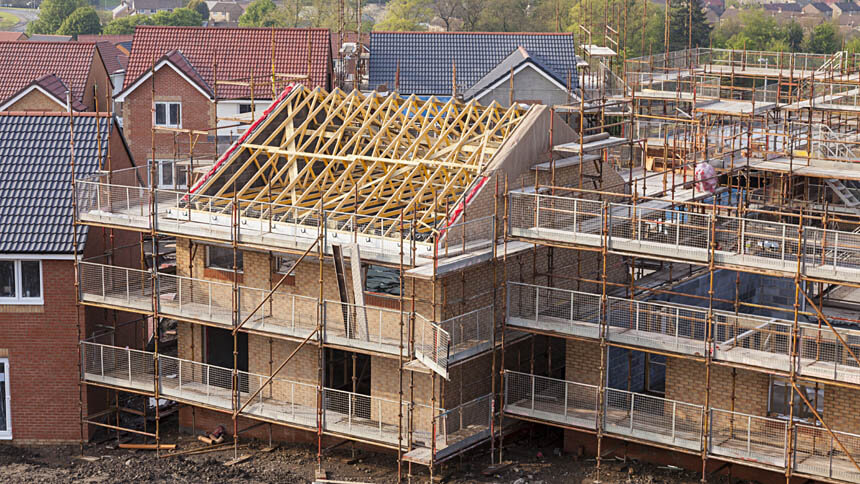
Simon McWhirter, Chief Executive of the UK Green Building Council, welcomed the Government’s decision to adopt the more ambitious Future Homes Standard, putting new homes firmly on a path away from fossil fuels and ensuring rooftop solar and improved levels of energy efficiency are the new norm.
“This will help lower household energy bills, reduce pressure on the electricity system, and give industry the confidence to invest in skills, supply chains and innovation,” he explained.
“Making high levels of solar readily available is a clear win for households, the energy system and the climate, particularly at a time when global instability is once again driving up fossil fuel prices and exposing the risks of relying on gas for our homes. It’s a practical, cost-effective measure that will pay back for residents from day one.
“However, this must be the start of the journey, not the end. Government must maintain this momentum and set out a clear timetable for the next iteration of building regulations. Many developers are already building to higher standards, and are eager to help ensure the next update delivers genuinely future-ready homes by the early 2030s – comfortable, affordable to run, climate-resilient and zero-carbon.”
The introduction of the Future Homes and Buildings Standard provides long‑overdue clarity on what builders will be expected to deliver from 2028, with new homes set to include low‑carbon heating, stronger energy‑efficiency measures and on‑site renewable generation as standard. According to the Federation of Master Builders (FMB) these changes should help cut running costs for households and improve build quality, but the shift will only work if the transition is practical and backed by clear guidance for smaller firms.
Brian Berry, Chief Executive of the Federation of Master Builders, said: “This is a positive step towards building the high‑quality, energy‑efficient homes the country needs, and clarity on the future of new homes will be welcomed by small house builders. Clearer standards give builders the confidence to plan ahead, invest in new skills, and deliver warmer homes with lower running costs for families.
“Small, local builders will play a crucial role in making these ambitions a reality, and we welcome the Government setting out a clear pathway to get there.”
BRE’s Head of Government and Scientific Delivery, Gwyn Roberts, described the announcement as a key milestone in the UK’s green transition.
“After centuries of heating homes with fossil fuels being the norm in the UK, the Government has made the positive decision to transition home heating towards cleaner, more efficient technologies,” he said. “The new standard is an opportunity for low carbon homes to be competitively financed with mortgages that reflect the performance that they deliver – unlocking much needed housing supply.
“However, the Government needs to take further steps to improve the standards for homes created in existing buildings to address whole building energy efficiency, and overheating risk, a known problem among much of this kind of new housing.
“It’s clear that the world is facing growing instability in fossil fuel supplies, which is driving the risk of a wider energy and fuel crisis. By shifting to cleaner, more efficient and more reliable forms of energy, we can reduce our dependence on volatile fossil fuels and protect ourselves from the kind of price shocks we’re seeing now.”
CIAT President Usman Yaqub PCIAT added: “As industry strives to tackle the UK’s entrenched housing crisis, it is vital that we retain a focus on delivering high performing homes and buildings, which will meet the needs of communities for decades to come.
“CIAT therefore welcomes the Future Homes and Buildings Standard. Strengthened requirements for building performance, clean heating and renewable energy generation will cut running costs and carbon across England as the foundation for a sustainable built environment.
“While we recognise the new requirements will increase upfront costs, an emphasis on designing for sustainability from the outset can help mitigate these costs. As experts in technical design, Chartered Architectural Technologists stand ready to work with colleagues across the sector to ensure the Future Homes and Buildings Standard delivers real benefits for consumers and the climate.
“The best time to regulate for net zero ready homes was a decade ago. The second-best time is now.”
The ECA welcomed the Government’s Future Homes Standard but warned safety could be compromised.
While ECA welcomes speeding up lower bills, the trade body, which has advocated for safe and reliable electrical installation for over a century, has significant concerns about ‘plug-in solar panels’. Many of these products available internationally are poorly manufactured, inadequately tested and are not designed for the UK electrical environment. This means variable build quality, no consistent UK safety standards, questionable long-term reliability, and connectors and cabling that are not designed for prolonged outdoor exposure in UK conditions.
Currently, solar panels are designed to integrate with a local electrical system. They require installation by a qualified electrician to maximise efficiency and cost savings. Without this degree of technical knowledge, a DIY install of a safety critical product could overload the system and cause fire and electrocution.
Gary Parker, Head of Technical at ECA, said: “I’m delighted to see a fabric-first approach and energy efficiency mandated in new builds from next year. ECA is a strong advocate for the transition to net zero and the deployment of well-designed, professionally installed low-carbon technologies.
“However, support for decarbonisation must never come at the expense of electrical safety, fire safety, or public confidence in the built environment.
“‘Plug-in solar’ products, are not fit for purpose within the UK’s safety-led electrical framework and should not be encouraged.”