Researchers at the University of Bath have developed the first artificial intelligence (AI) tool that predicts the carbon footprint of buildings from simple text descriptions, giving architects real-time feedback on sustainability at the earliest design stage.
From a conversational description of a proposed building, the tool uses machine learning and natural language processing to predict the embodied carbon, the carbon emissions associated with materials and construction throughout the building’s life cycle. It provides architects with instant feedback on the sustainability of their plans right at the start of the design process, where the potential for carbon saving is greatest.
Buildings and infrastructure account for more than a third of the carbon emissions from industrialised nations. Several models already exist to reduce the day-to-day emissions of heating and powering buildings, but using software to design out embodied carbon is much less common.
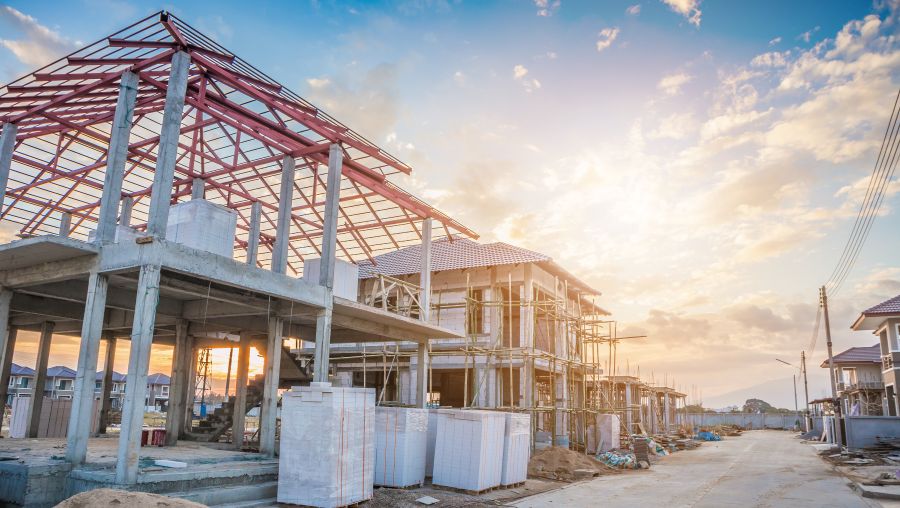
Image: University of Bath
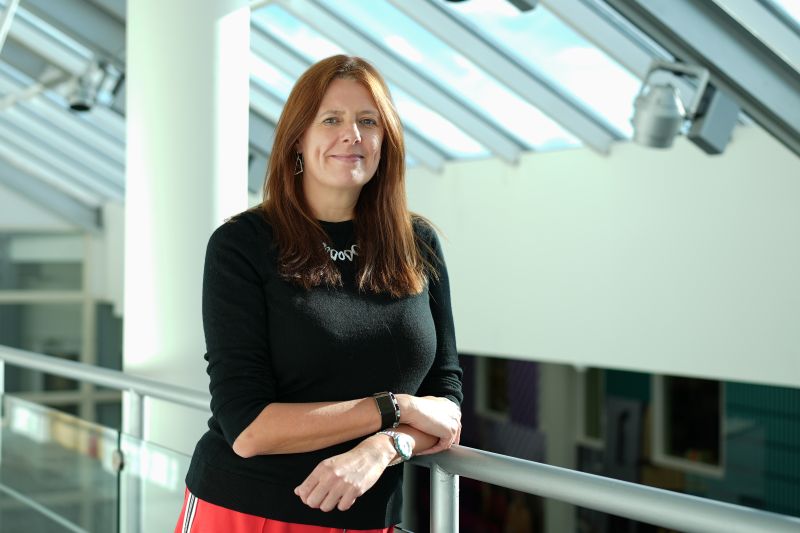
Professor David Coley, Professor of Low Carbon Design in the Department of Architecture and Civil Engineering and an author on the paper, said: “Architects designing sustainable buildings often lack the level of detail they need to analyse the materials and construction processes involved in the final build. Traditional tools often address embodied carbon via material mass accounting methods.
"However, these tools rely on precise material breakdowns, accurate quantities and specialist engineering knowledge. Our tool would allow designers to quickly assess and refine their designs to maximise sustainability long before formal specifications are locked in.”
The tool transforms simple descriptions of the building, such as the materials, dimensions and usage, into credible carbon emission estimates. As the designs evolve and descriptions become richer and more detailed, the method naturally refines its carbon estimate. It is designed not to provide final answers, but to generate predictions accurate enough to guide conversations.
In addition to providing informed decision-making for lower-carbon buildings, the tool can also suggest improvements to their environmental conditions, such as increased natural light, enhanced thermal comfort, or better acoustics. It could also play a part in architectural education, promoting sustainability awareness at earlier stages of design thinking, without requiring advanced or specialist knowledge.
The team tested their tool in real-world design settings, with 43 building professionals using it on their projects. In one example, designers used the tool to assess the embodied carbon of a high-end glass and masonry building near Exeter, UK, throughout the design cycle. This allowed them to adjust the insulation, wall construction, and glazing to reduce the embodied carbon, without knowing the material quantities. The feedback from industry has been overwhelmingly positive, especially around how easy the tool is to use and how well it fits into existing workflows.
To overcome the lack of publicly available real-world embodied carbon data, the team trained the AI using a synthetically generated dataset based on 150,000 buildings. This enabled development and feasibility testing of the model; however, it can be retrained on higher-quality, real-world datasets as soon as they become available to improve accuracy.
The tool’s natural language processing handles the wide variation and ambiguity in typical building descriptions, correctly identifying key materials like steel, concrete and timber 80% of the time. It proved linguistically robust, analysing several differing descriptions of the same building with minimal changes to the predicted carbon emissions, and correctly ranked real buildings by their embodied carbon intensities.
This innovative tool could help the construction industry meet net-zero targets and embed sustainable design at the very earliest stages. The team plans to refine the tool as more real-world data becomes available and explore further applications in industry and educational settings.