In the evolving landscape of sustainable architecture, material choice is no longer just a matter of performance - it’s a statement of environmental responsibility. Among the frontrunners in this movement is James Hardie with its brand fermacell®, whose EPD-verified fibre gypsum boards are redefining standards in commercial and timber frame construction.
What sets fermacell® fibre gypsum boards apart is its carbon-storing capability throughout the entire product life cycle. Thanks to optimised recycling processes and responsible raw material sourcing, these boards don’t just reduce emissions—they store CO₂*. This makes them a powerful ally in the fight against climate change and a compelling choice for architects committed to low-carbon design.
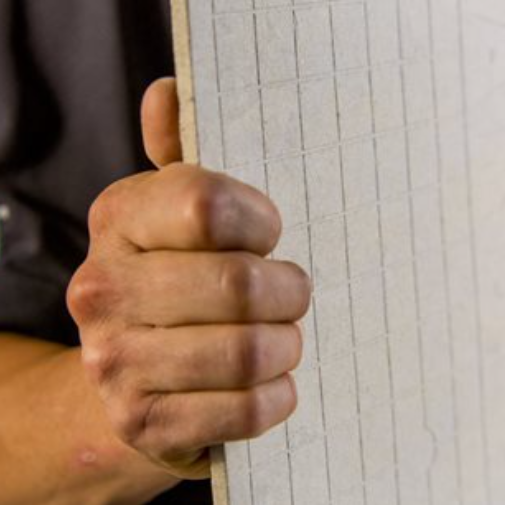
Unlike traditional gypsum boards, fermacell® fibre gypsum boards are manufactured using a unique combination of recycled paper fibres, gypsum, and water - without any added adhesives. This not only enhances their structural integrity but also ensures a clean, closed-loop production cycle. The result is a product that’s robust, versatile, and environmentally sound.
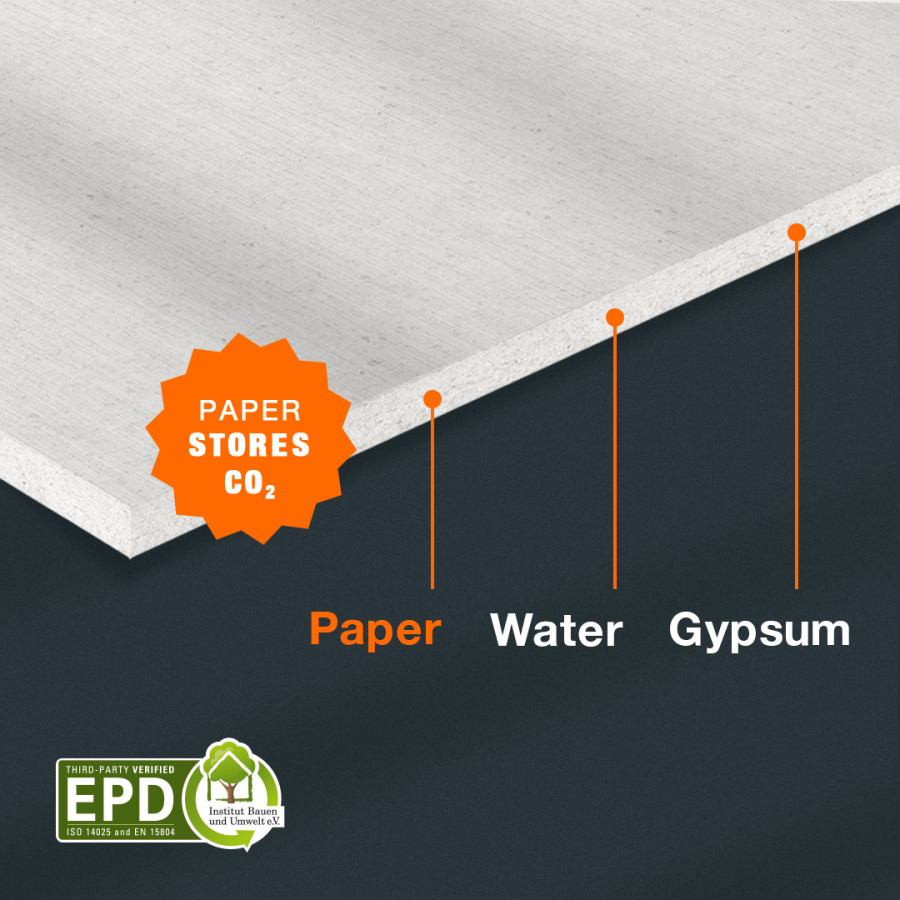
From a design perspective, fermacell® fibre gypsum boards offer exceptional load-bearing capacity, racking strength, fire resistance, and acoustic performance, making it ideal for high-spec commercial interiors and multi-storey timber frame buildings. Its ability to support heavy fixtures without additional reinforcement simplifies installation and reduces material waste - an often overlooked contributor to a project’s carbon footprint.
The Environmental Product Declaration (EPD) verification provides architects with transparent, third-party-certified data on the product’s environmental impact. This is crucial for projects aiming to meet BREEAM certification standards, where material selection plays a pivotal role in achieving sustainability targets.
In timber frame construction, where the emphasis is on lightweight, high-performance materials, fermacell® boards shine. Their dimensional stability and moisture resistance make them particularly suited to off-site prefabrication and modular building techniques both of which are gaining traction as efficient, low-impact construction methods.
But perhaps the most compelling reason to specify fermacell® fibre gypsum boards is its contribution to carbon positive building strategies. By storing CO₂* rather than emitting it, these boards help offset the embodied carbon of other materials used in a project. This aligns perfectly with the architectural shift toward regenerative design, where buildings don’t just do less harm, but actively improve the environment.
As the industry moves toward net-zero targets, architects must look to embrace materials that support long-term ecological balance alongside aesthetics and functionality. fermacell® fibre gypsum boards offer a rare combination of technical excellence and environmental integrity, making them the number one choice for forward-thinking commercial and timber frame projects.
In a world where every design decision carries environmental weight, choosing fermacell® is more than a specification - it’s a commitment to building better.
Discover now:
www.fermacell.co.uk/sustainability-meets-simplicity
*CO₂ storing refers to production stages A1-A3 of EPD.