Using waste clay and brick in cement production could reduce the material’s embodied carbon by up to 30 per cent and boost UK construction’s circular economy, according to a new report.
A two-year study led by the Mineral Products Association (MPA) with funding from Innovate UK has demonstrated that UK reclaimed clays and finely ground brick powder can be used as calcined clays in cement and concrete manufacturing to deliver lower emissions compared to the market-leading CEM I cement.
The findings also confirmed that calcined clays from these sources have the potential to divert 1.4 million tonnes of material from potential waste streams if the materials were adopted by the UK construction industry.
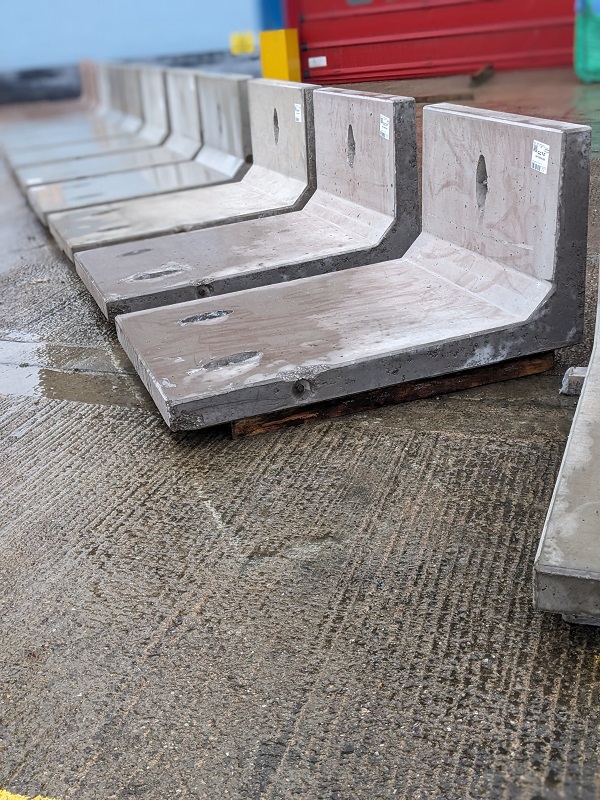
Clay is a naturally abundant material in the UK and can offer an alternative to industrial by-products such as ground granulated blast-furnace slag (GGBS) and fly-ash which have been traditionally used to lower the embodied carbon of cement. UK production of both materials is reducing as the power and steel industries decarbonise.
In other parts of the world, calcined clays are used as a secondary cementitious material but until now they have not been officially tested in the UK.
Two heating methods were trialled to prepare the clay for use in cement and concrete: commonly used rotary kilns, and the more innovative ‘flash heating’. Both methods have been shown to produce high-quality calcined clays, and with no significant difference between techniques.
The project has been supported by Heidelberg Materials UK, Tarmac, Imerys Minerals Ltd, Forterra, University College London and University of Dundee.
Dr Diana Casey, Executive Director, energy and climate change at the MPA said: “Using brick waste and reclaimed clays will not only lower carbon and reduce waste but has the potential to create a whole new market if these clays become widely used in the construction industry, helping to retain economic value in the UK, secure jobs and attract investment.”
The development of low carbon cements and concretes represent one of seven key levers in MPA UK Concrete’s Roadmap to Beyond Net Zero. The roadmap sets out the UK concrete and cement industry’s own commitments to delivering net zero and builds on its decarbonising the industry by 53 per cent since 1990.
Read the full report on the MPA website https://cement.mineralproducts.org/Innovation/Reclaimed-calcined-clay-cements.aspx