New homes and buildings in England will have to produce significantly less CO2 under new rules announced by the government to help the country move towards net zero.
Under the new regulations, CO2 emissions from new build homes must be around 30% lower than current standards and emissions from other new buildings, including offices and shops, must be reduced by 27%.
Heating and powering buildings currently makes up 40% of the UK’s total energy use.
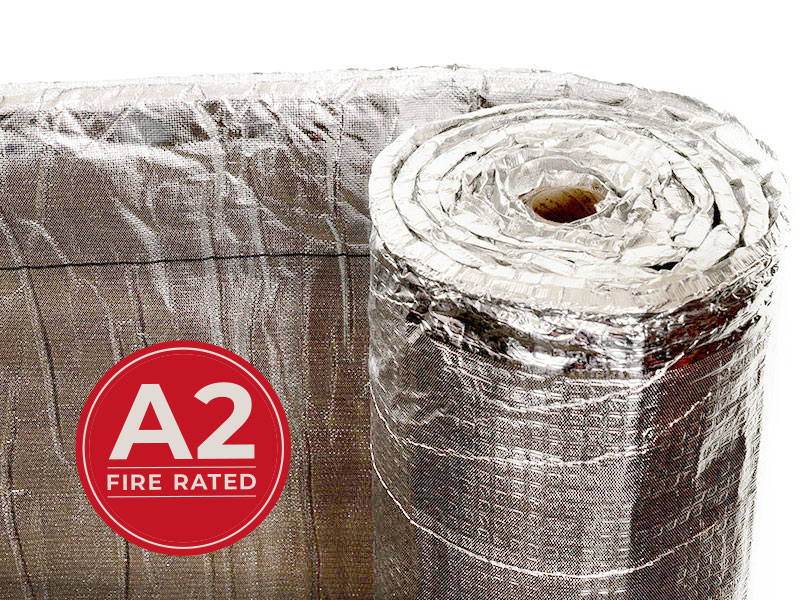
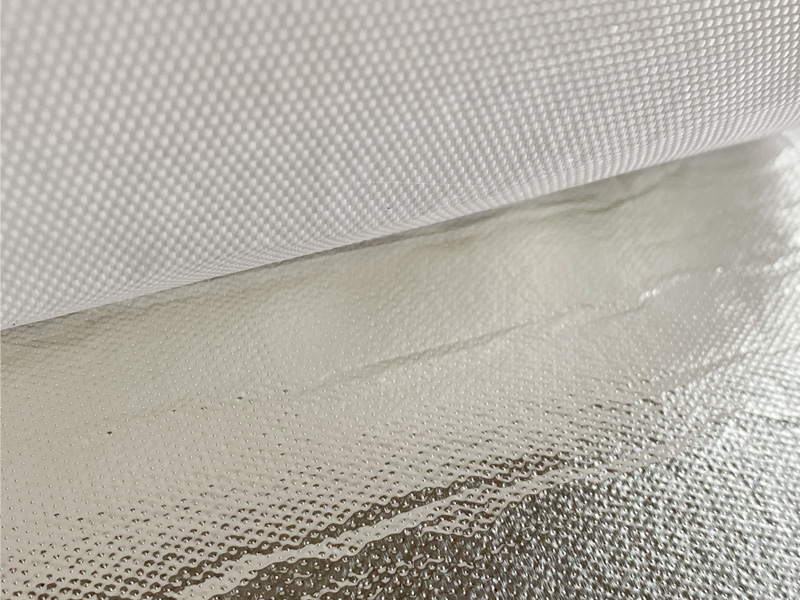
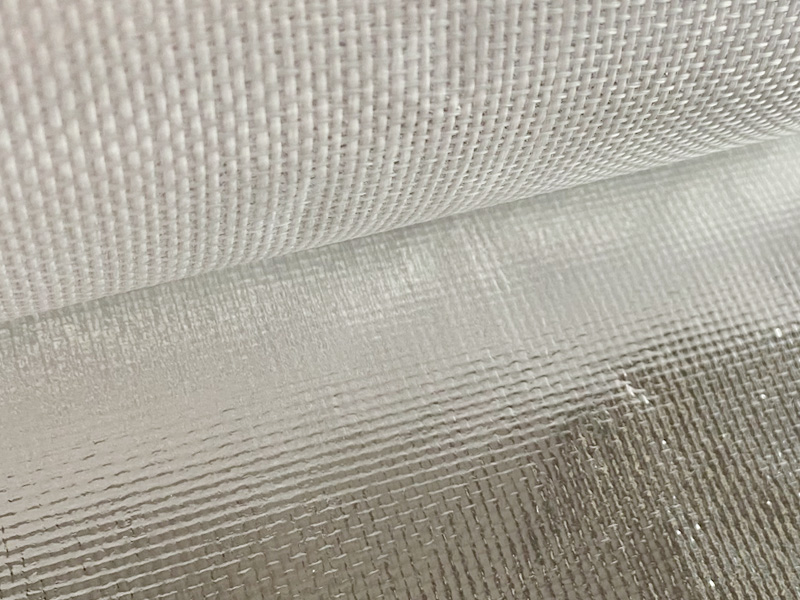
Installing low carbon technology, such as solar panels and heat pumps, and using materials in a more energy efficient way to keep in heat will help cut emissions – lowering the cost of energy bills for families and helping deliver the UK’s climate change ambitions.
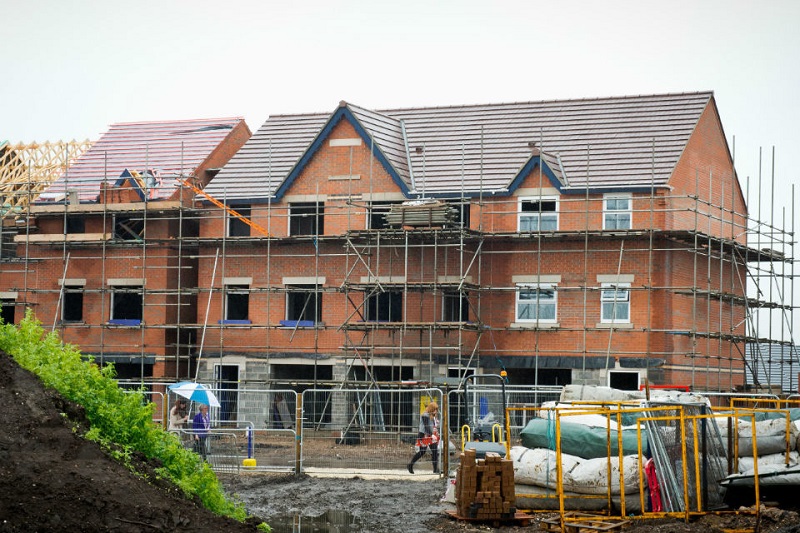
All new residential buildings, including homes, care homes, student accommodation and children’s homes, must also be designed to reduce overheating, making sure they are fit for the future and protect the most vulnerable people. Improvements to ventilation will also be introduced to support the safety of residents in newly-built homes and to prevent the spread of airborne viruses in new non-residential buildings.
The changes announced today to the government’s Building Regulations, which set the standards in England for the design, construction and alteration of buildings, follow a public consultation and will come into effect from June 2022.
They will raise standards and are an important step towards a cleaner greener built environment, paving the way for the Future Homes and Buildings Standard in 2025, which will mean all future homes are net zero ready and will not need retrofitting.
Housing Minister Eddie Hughes said: “Climate change is the greatest threat we face and we must act to protect our precious planet for future generations.
“The government is doing everything it can to deliver net zero and slashing CO2 emissions from homes and buildings is vital to achieving this commitment.
“The changes will significantly improve the energy efficiency of the buildings where we live, work and spend our free time and are an important step on our country’s journey towards a cleaner, greener built environment.”
The new regulations come alongside £6.6 billion of direct investment into improving the energy efficiency of buildings during this Parliament. The Social Housing Decarbonisation Fund, Local Authority Delivery scheme and Home Upgrade Grant scheme make grants available to low-income households for insulation, solar panels, heat pumps and other efficiency and decarbonisation measures.
Last week, a further £400 million of funding was announced for more than 200 local authority areas as part of a new Sustainable Warmth Competition.
The latest figures show almost half (46%) of the homes in England are now rated C or above for energy efficiency, compared to 14% in 2010.
RIBA President, Simon Allford, said: “These uplifts will bring us one step closer to decarbonisation, and we welcome that. The new minimum standards for fabric efficiency and new Part O signal real progress, but without regulation of actual energy use, the built environment will not decarbonise at the rate required. Regulations must continue to tighten.
“I look forward to seeing the full document and working with the Government to ensure the 2025 Future Homes and Buildings Standards address the urgency of the task at hand.”
Hwyel Davies, Technical Director, Chartered Institution of Building Services Engineers, said: “It is encouraging that for the 2021 uplift, DHLUC adopted the most ambitious option within those in the consultation. CIBSE welcome new requirements for energy performance modelling and overheating risk assessments, which should help deliver better building performance outcomes.
“We are also pleased to see the renewed commitment that the Future Homes / Buildings standard will ensure new buildings do not need retrofit for Net Zero. We look forward to working with DHLUC on this, and on the next uplifts for works to existing buildings, since retrofitting our existing stock is essential to deliver Net Zero as well as healthy and comfortable buildings.”