Whilst the RIBA Future
Trends Workload Index remained positive in July 2018, standing at +10, it has
dropped from +17 in June.
Practices in the North
of England, with a balance figure of +30, were the most upbeat, despite
experiencing a drop down from +41 the previous month.
Practices in the
Midlands and East Anglia, also remained positive, but their balance figure of
+13 was also lower than in June. The biggest uplift in confidence about future
workloads was in Wales and the West, where the balance figure in July 2018 was
+21, up from +6 in June.
Practices in the South
of England (balance figure -3) and London (balance figure -5) are much more
pessimistic and are now predicting a reduction in overall workloads over the
next quarter.
Large practices (51+
staff) returned a workload balance figure of +75, medium-sized practices (11 -
50 staff) +37, and small practices (1 - 10 staff) +5, a much lower figure,
though similar to previous months.
However, this quarter,
participating practices reported only a 2% annualised reduction in workload
compared with the same time twelve months ago.
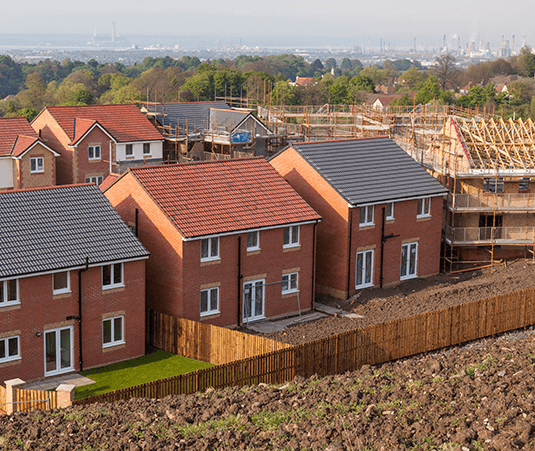
The private housing
sector workload forecast, the consistent best performer, experienced a fairly
dramatic drop in July 2018, standing at +7, down from +18 in June, while other
workload forecasts showed little change. The commercial sector forecast stood
at +5 and the community sector at +2. For the public sector the balance
figure was -2, up marginally from -4 last month.
In contrast to the
workload forecast, the RIBA Future Trends Staffing Index saw a modest rise,
standing at +6 in July 2018, up from +2 in June. The staffing forecast for
large practices (51+ staff) was +75, medium-sized practices (11 - 50 staff),
+16, and small practices (1 - 10 staff) +4.
Mirroring the Workload
Index, practices in the North of England (balance figure +19), the Midlands and
East Anglia (balance figure +13), and Wales and the West (balance figure +15)
are the most optimistic about being able to take on more staff over the next
quarter, whereas London practices (balance figure -7) and the South of England
(balance figure zero) are significantly more cautious about future staffing
levels.
RIBA Executive
Director Members, Adrian Dobson, said: “The latest survey results suggest a
reasonably steady work flow, but the market remains highly competitive in terms
of achievable fee levels. Of note amongst the commentary received this month is
the impact of tender price inflation on the viability of projects proceeding to
construction, especially in certain hotspots such as Cambridge.
"The private
housing sector forecast may be some cause for concern as it has consistently
been the best performer in recent years providing the engine of growth in
workloads for the profession."